Posted on 29/10/2026
Permits for flower stalls Camden Council West Hampstead: a practical guide for traders
If you are planning to run a flower stall in West Hampstead, the permit side of things can feel a bit more complicated than the flowers themselves. One minute you are thinking about buckets, seasonal stock, and whether peonies will arrive in time; the next you are trying to work out what Camden Council expects, what counts as a lawful pitch, and how to avoid awkward delays. That is exactly why this guide exists. It walks you through permits for flower stalls Camden Council West Hampstead in plain English, with the practical detail people usually need before they set up for real.
There is no glamour in paperwork, let's face it, but getting the permissions right is what keeps a stall stable, respectable, and open for business. Done properly, it also helps you trade with more confidence, especially if you are aiming for repeat customers, event work, or a longer-term presence near busy footfall areas. You will also find a few useful links to related pages on our site, including our background, how to get in touch, and the kinds of flowers customers already buy from us through flower delivery in West Hampstead.
One important note up front: council rules, street trading permissions, and site conditions can vary. If you are at the point of applying, always confirm the latest local requirements directly with the relevant council process and the landowner or market operator where applicable. That small extra check can save a lot of back-and-forth later on.
Why Permits for flower stalls Camden Council West Hampstead Matters
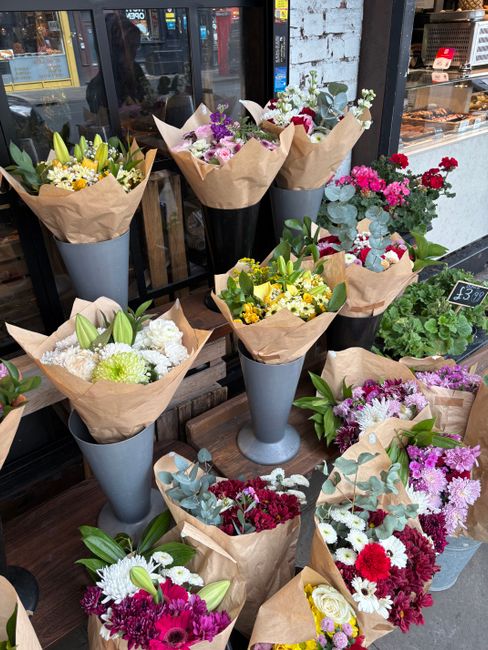
A flower stall might look simple from the pavement. A table, some buckets, a few hand-tied bunches, maybe a chalkboard sign and a well-placed bucket of tulips catching the morning light. But from the council's point of view, trading in a public or semi-public place raises a few serious questions: is the pitch authorised, is the trader allowed there, are pedestrians safe, and does the set-up fit local rules?
That is why permits matter. They are not just an administrative hurdle. They are the difference between operating with confidence and taking a risk that could lead to being moved on, fined, or shut down. In a place like West Hampstead, where people move quickly between trains, buses, cafes, and side streets, footfall can be strong, but so can scrutiny. If your stall feels unofficial or obstructive, people notice. The council notices too.
For traders, the permit question also affects reputation. A licensed, well-run stall tends to look more trustworthy. Customers are often happy to stop and buy a bouquet for the weekend, a birthday arrangement, or a simple "thinking of you" posy when they can see the stall is properly run. It sounds obvious, but in retail, trust is the product as much as flowers are.
There is another side to it as well. A proper permit can help you plan stock, pricing, trading hours, and location more confidently. No one wants to start the day with fresh stock and then spend the afternoon wondering if they will be asked to move on. That kind of uncertainty is exhausting. Truth be told, it is bad for sales too.
Expert summary: For a flower stall in West Hampstead, the permit is not only a legal formality. It is part of your trading foundation: it supports visibility, reduces risk, and helps customers take your stall seriously.
How Permits for flower stalls Camden Council West Hampstead Works
The exact process depends on where you want to trade. That distinction matters more than many new traders realise. A stall on a public highway, one on private land, and one in or near a market space can each involve different permissions, different people to speak to, and different conditions to meet.
In practical terms, you are usually looking at some combination of the following:
- a street trading or trading permission where the pitch is on or near public land
- landowner consent if the stall sits on private property
- site-specific terms about size, times, access, waste, storage, and display
- possible insurance, food-safe handling standards if you sell extras, and business registration obligations
For a flower-only stall, the main focus is often on location, safety, and whether the proposed trading activity is compatible with the area. That includes how much room you need, whether customers can queue without blocking the pavement, and how you will manage water, packaging, and rubbish. Simple things, but they matter.
You should also expect the council or site operator to want a clear description of what you will sell. For example, are you offering fresh cut flowers only, mixed bouquets, single stems, event flowers, seasonal ranges, or add-ons like cards and gift items? A specialist range may fit one location better than another. If your stall is meant to feel like a compact version of a shop, that should be clear from the start.
It helps to think of the permit process as a series of small gates. First, is the site suitable? Second, are you the right trader for that site? Third, can you run safely and tidily? Fourth, do your trading hours and display plan fit local expectations? If you can answer those questions clearly, you are already ahead of many applicants.
For traders who want to extend from a stall into wider local sales, it can be useful to look at the broader customer flow around the area. Our West Hampstead florist page and flower shops in West Hampstead page show how local flower demand can be presented online as well as in person.
Key Benefits and Practical Advantages
Getting the right permission is not only about avoiding problems. It also creates a better trading setup, and in real life that can translate into better sales and less stress. Here are the main advantages.
- Lower enforcement risk: You are less likely to be challenged by council officers, landowners, or transport-site staff if everything is properly authorised.
- Better customer confidence: People are more comfortable buying from a stall that looks official and well managed.
- Clear trading boundaries: You know where you can set up, what equipment you can use, and what your day should look like.
- More predictable operations: Predictability matters when you are handling fresh stock that needs water, shade, and timely turnover.
- Stronger reputation: A compliant trader is easier to recommend, especially for repeat local orders and event work.
There is also a practical commercial benefit many people miss: permission helps you plan for seasonality. Flower trading is rarely flat. Valentine's Day, Mother's Day, summer weddings, sympathy orders, school events, and Christmas all bring different demand patterns. A stall that is properly set up can scale a little more confidently when business spikes.
And yes, there is a quiet emotional advantage too. You sleep better. You do not spend the evening wondering whether tomorrow's buckets and ribbon stock are going to be worth the headache. Small relief, but real relief.
Who This Is For and When It Makes Sense
This guide is for anyone thinking about selling flowers from a stall in West Hampstead under Camden Council oversight or in a nearby location where council permission and local rules may still affect the setup. That could include:
- a new trader testing the waters with weekend or part-time selling
- an established florist branching into a street-facing or market-style stall
- a business owner who wants to add a visible local sales point to an online or delivery model
- a seasonal trader targeting busy periods like spring, wedding season, or holiday trade
- someone taking over an existing pitch and needing to understand what permission transfers, if any, are possible
It also makes sense if you already run a nearby floral business and want to diversify. For example, some traders use a stall as a way to build brand awareness while keeping overheads lighter than a full shop. That said, a stall is not a shortcut. It comes with its own moving parts, and you will want to know the rules before you commit stock and labour.
If you are mainly serving pre-orders or local deliveries, you may not need a stall permit at all. In that case, the better fit could be a delivery-led model, such as our same-day flower delivery or next-day flower delivery options. It depends on how you want to trade, and that choice is worth thinking through properly.
Step-by-Step Guidance
Below is a practical way to approach the process without getting lost in jargon.
- Identify the exact trading location.
Do not start with a vague idea of "somewhere in West Hampstead". Pin down the street, frontage, market area, private site, or pitch you want. The location drives the permission route. - Check who controls the site.
It might be the council, a private landlord, a market operator, transport-related management, or a mix of parties. If in doubt, ask before you spend time on branding or stock planning. - Describe the stall clearly.
Write down what you will sell, how large the stall is, your operating hours, whether you use umbrellas or gazebos, and how you will store buckets, water, and packaging. - Gather practical documents.
You may be asked for identification, proof of business details, insurance, risk controls, or other trading information. Keep these in one folder. Paperwork likes order. Annoyingly so. - Explain how you will protect the pavement and the public.
Think about access routes, queueing space, waste bins, trip hazards, and whether your display leaves enough room for pushchairs, prams, and passing pedestrians. - Ask about conditions.
Permits often come with conditions about hours, noise, set-up and clear-down times, display limits, and cleanliness. Read them carefully. A trader who ignores conditions usually ends up doing more work later. - Allow time for review.
Do not assume same-day approval. A good application takes preparation and may involve follow-up questions. - Plan your first trading day as if it will be busy.
Have change, card payment equipment if used, spare wraps, a water plan, and a tidy way to move stock. The first morning can be a bit frantic. That is normal.
One useful habit is to photograph your proposed stall layout before you trade. A simple plan-view sketch and a few real photos can make it much easier to explain what you intend to do. Sometimes a clear image does the work of three emails.
Expert Tips for Better Results
Experience teaches you a few things that do not always appear in official guidance. Here are the ones that tend to matter most.
- Keep the stall visually tidy from a distance. In busy London footfall, people decide in seconds whether to stop. A clean, well-spaced display often sells better than a crowded one.
- Choose flowers that travel well. Not every bloom behaves the same outdoors. Hardy stems and well-conditioned stock are usually easier to manage than fragile flowers on a windy day.
- Prepare for weather changes. A sunny morning can turn into a wet, chilly afternoon before you know it. West Hampstead weather can be perfectly cheerful, then unexpectedly awkward.
- Have a waste plan. Wet packaging, cut stems, and loose leaves build up fast. A neat disposal routine saves embarrassment and keeps the pitch professional.
- Know your busiest customer moments. Commuter flow, lunch breaks, after-school pickups, and Friday afternoons all behave differently. If you notice which times work best, you can adjust stock and staffing.
There is also a small branding tip that often gets ignored: make your stall easy to describe. If a customer says, "the flower stall near the station that always has the white lilies and tulips," that is a good sign. People remember feeling, colour, and consistency more than slogans. A bit of personality helps too, though not too much. We are selling flowers, not opening a theatre show.
If you want to build a stronger local presence alongside a stall, it can help to align your product mix with online lines that already perform well, such as popular flower delivery choices or best-selling arrangements. That creates continuity between what people see on the pavement and what they can order later.
Common Mistakes to Avoid
A lot of problems come from small oversights rather than bad intentions. The good news is that most are avoidable.
- Applying for the wrong kind of permission. A street pitch, a market pitch, and a private frontage are not the same thing.
- Ignoring site constraints. A beautiful stall design is no use if it blocks access or does not fit the available space.
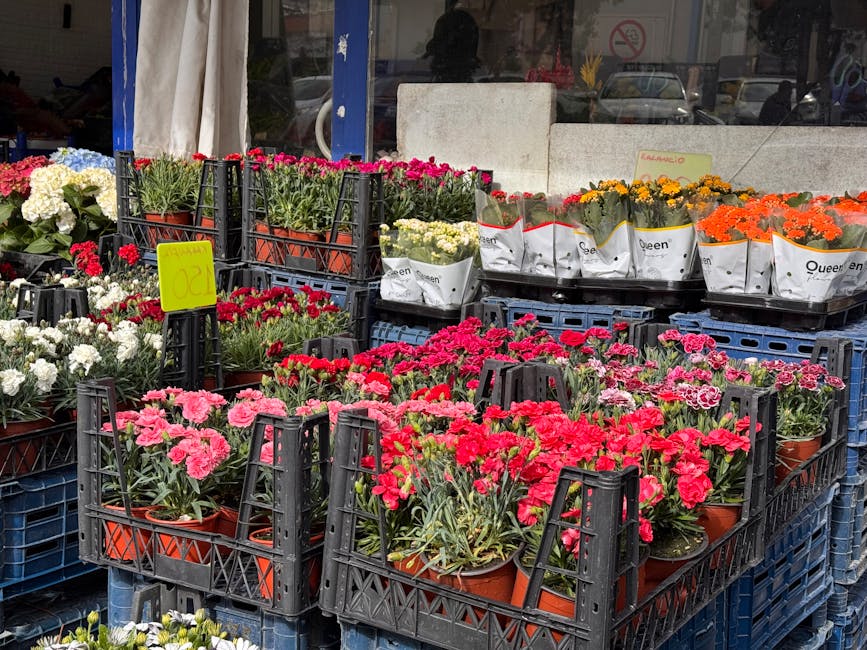
- Underestimating waste and water management. Flower stalls are wet, leafy, and surprisingly messy when busy.
- Assuming the permission transfers automatically. If you are taking over from another trader, do not assume their arrangements carry over unchanged.
- Overcommitting to stock too early. Fresh flowers age fast. Buying too much before your permit is secure can leave you with a very expensive bouquet of stress.
- Forgetting seasonal demand spikes. On peak occasions, you may need more support, more packaging, and a stricter stock plan.
One of the most common real-world issues is layout. Traders often focus on the flowers and leave the spatial side until the last minute. Then the display is too wide, the walkway too tight, and the whole setup becomes a headache. A tape measure and a basic sketch can save you from that. Honestly, that little bit of effort is worth it.
Tools, Resources and Recommendations
You do not need a mountain of kit to get started, but you do need a few practical tools and a tidy process.
- Measuring tape: Essential for checking pitch size, queue space, and display footprint.
- Simple stall plan: A hand-drawn or digital layout showing where flowers, water, packaging, and payment equipment will go.
- Document folder: Keep business details, insurance, contact information, and application paperwork together.
- Weather protection: If allowed on the site, think about shade, rain cover, and secure weighting for lighter equipment.
- Stock rotation system: Group flowers by freshness and expected selling speed so nothing gets forgotten at the back.
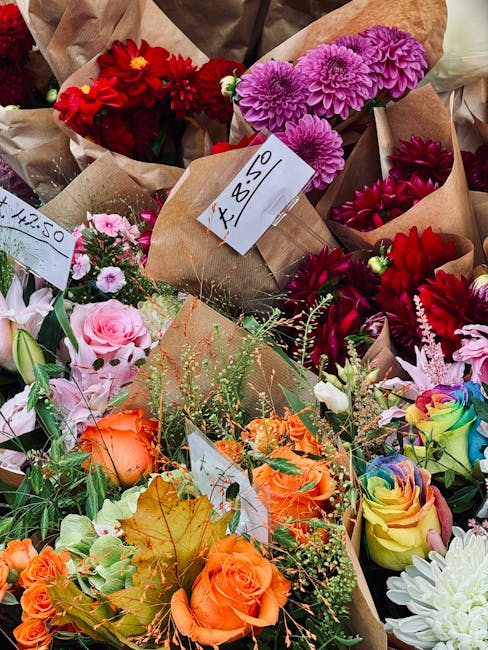
- Customer-facing signage: Clear pricing, your trading name, and any useful service notes help reduce friction.
For product planning, our site has a wide range of seasonal and occasion-led options that can be useful for inspiration or stock direction. You might look at all flowers for range breadth, flowers in a vase for a more ready-to-go format, or luxury flowers if you are aiming for a premium presentation.
And if your stall is likely to lean seasonal, it can help to cross-reference with ranges like summer flowers or autumn. That kind of planning keeps the stall coherent, which customers really do notice.
Law, Compliance, Standards, or Best Practice
Because this topic touches trading permission and public use of space, a careful approach is best. The exact legal route depends on the site and the nature of the trading activity, so treat any permit information as location-specific rather than universal.
In general, best practice for a flower stall includes the following:
- Trading only within the authorised area: Do not extend displays beyond what is approved, even if there seems to be room.
- Keeping access routes clear: Customers, passers-by, prams, mobility aids, and service access all matter.
- Maintaining safe equipment use: Any structures, umbrellas, weights, or signage should be stable and proportionate to the site.
- Keeping the pitch clean: Remove waste regularly and prevent water from creating slip risks.
- Respecting local trading conditions: If the permit says a certain time or arrangement, stick to it.
It is also sensible to keep a record of who granted the permission, what the conditions are, and any renewal dates or review points. That is not glamorous admin, no, but it keeps you organised and reduces the chance of gaps in trading.
If you handle customer contact details, pre-orders, or event bookings, you should also be mindful of privacy and record-keeping expectations. Keep it simple, keep it secure, and only collect what you actually need. That kind of discipline is just good business, really.
Options, Methods, or Comparison Table
People often ask whether they should trade from a flower stall, a fixed shop, or a delivery-led model. The best choice depends on budget, visibility, and how much operational complexity you want to carry. Here is a straightforward comparison.
| Option | Best for | Main advantage | Main challenge |
|---|---|---|---|
| Flower stall | High footfall, local visibility, impulse purchases | Strong street presence and flexible trading style | Permission, weather, and day-to-day site management |
| Flower shop | Broader range, storage, repeat retail customers | More control over presentation and stock | Higher overheads and a bigger operational footprint |
| Delivery-led business | Pre-orders, gifting, convenience buyers | Less dependence on street presence | Requires strong logistics and order handling |
| Hybrid model | Businesses wanting both visibility and online sales | More ways to reach customers | More moving parts to coordinate |
For many traders, the hybrid route makes the most sense. A stall builds local awareness, while delivery and online ordering smooth out quieter periods. If you are weighing that up, the combination of local delivery and a visible stall presence can be a strong fit for West Hampstead's mix of commuters, residents, and occasion buyers.
Case Study or Real-World Example
Imagine a small trader setting up a flower stall near a busy West Hampstead route on Fridays and Saturdays. They want to sell hand-tied bunches, a few vase arrangements, and some small add-on gifts. At first glance, the idea seems straightforward. But once they map out the pitch, a few realities appear.
The display needs to stay narrow enough to leave room for foot traffic. Buckets need stable placement. Water needs managing. The trader wants shade for delicate stock, but the canopy cannot overwhelm the space. They also realise that their best-selling mix changes through the day: brighter mixed bouquets do well early, while smaller last-minute bunches move later in the afternoon.
After tightening the layout and clarifying the permission route, the stall becomes much easier to run. It is tidier, customers can browse without feeling crowded, and the trader spends less time firefighting and more time selling. Nothing magical happened. Just good setup, clear permission, and a bit of realism.
That is really the point. A permit is not a magic wand, but it creates the conditions for the stall to work properly. And once those conditions are in place, the trading day feels less like a scramble and more like a business.
Practical Checklist
Use this checklist before you trade. Keep it nearby, because the small things are the ones that trip people up.
- Have you identified the exact stall location?
- Do you know who controls the site and which permission route applies?
- Have you confirmed whether a permit, licence, or landowner consent is required?
- Do you know your allowed trading hours and pitch limits?
- Have you planned how you will manage water, waste, and packaging?
- Is your stall layout safe, tidy, and compact enough for the space?
- Do you have the documents you may be asked to provide?
- Have you thought about weather protection and stock safeguarding?
- Do you have a clean pricing and signage plan?
- Have you built in enough time for approval and any follow-up questions?
If you can tick most of those boxes, you are in a much better place than someone who is improvising on the day. It sounds basic, but basic done well is powerful.
Get a free quote today and see how much you can save.
Conclusion
Permits for flower stalls Camden Council West Hampstead are about much more than a form on a desk. They shape how you trade, where you can stand, how safe your pitch is, and how confident customers feel buying from you. Get the permission side right and the rest of the business becomes easier to manage: stock flows better, the stall looks more professional, and you can focus on selling flowers rather than worrying about the rules.
If you are still deciding whether a stall is the right model, think about your location, your stock style, and how much day-to-day setup you are prepared to handle. A small, well-run pitch can work beautifully in West Hampstead. It really can. But it works best when the practical foundations are solid, and when you respect the local conditions from day one.
And if you are building a wider flower business around that stall, you may also want to explore related local pages such as funeral flowers in West Hampstead, wedding flowers, or the broader flower care guidance that helps customers keep arrangements looking fresh a little longer.
Small steps, done properly, build a strong stall. That is usually how the best local businesses grow.
Frequently Asked Questions
Do I need a permit to run a flower stall in West Hampstead?
In many cases, yes, but the exact requirement depends on the exact location, whether the stall is on public land or private land, and which authority controls the site. It is best to confirm the correct permission route before you buy stock or commit to a pitch.
Is a street trading permit the same as landowner permission?
No. A council-related trading permission and landowner consent can be separate things. If you are on private property, you may need the owner's approval even if council rules are also relevant. The details depend on the site, so check both angles carefully.
How long does it take to get permission for a flower stall?
That varies. Some applications move faster than others, but it is wise to allow time for review, questions, and any missing information. If your timing is linked to a seasonal sales window, start early. Very early, if you can.
What information should I prepare before applying?
Expect to provide details about your trading identity, the exact location, what you intend to sell, your stall layout, and how you will manage safety, waste, and access. Having everything organised in advance makes the process smoother.
Can I sell bouquets, vase arrangements, and gift items from the same stall?
Often yes, but the permission may depend on what the site allows and how the stall is described in your application. Be precise about your range. If you plan to sell cards or gifts as well, mention that clearly so there are no surprises later.
Do weather conditions affect permit approval?
Not usually by themselves, but weather can affect the practical suitability of the pitch. A safe stall design should account for wind, rain, heat, and customer flow. A neat set-up matters more than people think, especially outdoors.
What happens if I trade without the right permission?
You may be asked to move, lose the pitch, or face enforcement action depending on the circumstances. That is why it is worth getting the permission side sorted before you open. It protects the business and avoids a stressful start.
Can I use a flower stall as part of a wider delivery business?
Yes, and that can work well. A stall gives you visibility and local walk-in sales, while delivery helps with pre-orders and repeat customers. Many traders like the balance. The key is keeping both sides of the business organised.
What are the biggest mistakes new flower stall traders make?
The most common ones are choosing the wrong permission route, underestimating the space needed, ignoring waste and water management, and buying too much stock before the permit is secure. Small errors, big consequences. A bit annoying, but avoidable.
Should I choose a stall, a shop, or online delivery first?
That depends on your budget, your location, and how much face-to-face trade you want. A stall works best if you have strong footfall and good local visibility. Delivery can be better if you want lower overheads and more flexibility. A hybrid model often gives the best of both worlds.
Can seasonal peaks like Valentine's Day or Mother's Day change what I need to plan for?
Absolutely. Peak occasions affect stock volume, staffing, packaging, and customer flow. Even if the permission stays the same, your operational plan should get tighter during busy periods. Otherwise the day can turn into a mild floral stampede.
Where can I learn more about related flower products and local services?
You can explore our local pages for ideas on ranges, service styles, and customer demand, including bouquet options, wedding flowers, sympathy flowers, and flower care guidance. It is a useful way to think through what your stall might realistically offer.